Compostable Films in Flexible Packaging: Where Are the Real Opportunities?
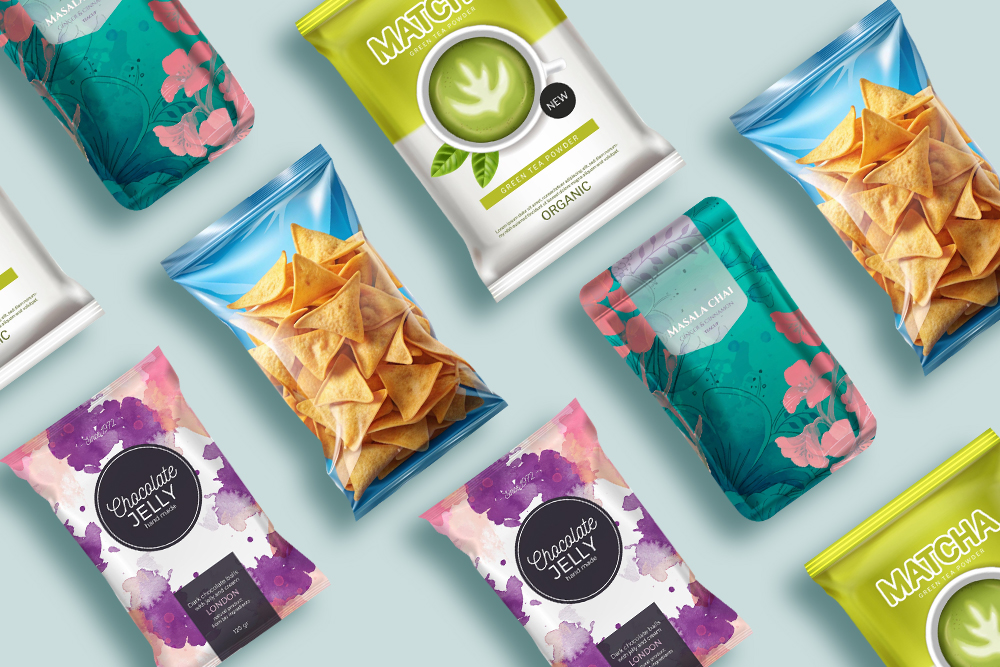
Compostable packaging films are no longer a distant green aspiration. In 2025, they represent a fast-maturing sector, poised for substantial growth. Yet, their mainstream adoption continues to be shaped by a mix of regulatory shifts, shifting consumer expectations, and persistent gaps in infrastructure. As we evaluate the road ahead, it is clear that both opportunities and challenges exist in equal measure.
THE STATE OF COMPOSTABLES TODAY
Multilayer compostable films, engineered from bio-based polymers such as PLA, PHA, and PBS, are increasingly positioned as viable alternatives to conventional plastic packaging. The market for these films is projected to grow at a compound annual growth rate exceeding 15% between 2025 and 2033, with global revenues expected to reach $8 billion by the end of that period.
This expansion is being fuelled by rising consumer demand for environmentally responsible products, corporate sustainability pledges, and stricter regulations on single-use plastics.
Despite this momentum, compostable films face significant headwinds:
- Higher production costs
- Performance limitations in certain applications
- The lack of a robust composting infrastructure
Collectively, these factors have prevented widespread adoption.
WHERE COMPOSTABLES ARE GAINING GROUND
Food Packaging Leading the Charge
The food industry remains at the forefront of compostable film use. These materials are now widely used for packaging items such as coffee, chocolate, grains, cereals, bread, and nuts, all categories where 55% of consumers actively favour compostable solutions. High-barrier compostable films not only preserve freshness but also align with consumers’ aesthetic expectations, offering clarity, lightness, and durability.
Emerging Non-Food and Agricultural Applications
Beyond food, compostable films are making inroads into sectors like personal care, household goods, and agriculture. In the latter, mulch films made from compostable materials can improve soil health and reduce methane emissions, while supporting municipal food waste collection programs.
Performance Catching Up
Recent advancements have narrowed the performance gap with traditional plastics, especially in fast-moving consumer goods. Despite these advances, compostable solutions generally come at a premium and adoption is often driven by brand values and long-term environmental strategy rather than cost alone.
As compostable materials become more viable across industries, the transition depends not only solely on innovation but with thoughtful application as well. At Junish, we’ve seen this shift firsthand. Our work in flexible packaging and sustainable solutions regularly involves helping partners adapt compostable structures to specific use cases, balancing performance needs with sustainability goals, and ensuring compliance across markets.
These aren’t one-size-fits-all materials. Such success often lies in the details: moisture resistance, heat tolerance, shelf-life compatibility, and clarity around end-of-life treatment. Addressing these nuances is where we see real progress, and where collaboration matters most.
REGULATION: A KEY DRIVER
Extended Producer Responsibility (EPR)
EPR frameworks are now being implemented at scale, with at least seven U.S. states having passed legislation mandating that brands share the responsibility and cost of packaging waste management. These regulations are creating a strong incentive for brands to shift to packaging formats that can be effectively recyclable or composted.
Plastic Bans and Labelling Standards
Laws such as California’s SB 343, which came into full effect in April 2025, now prohibit the use of the recycling symbol or the term “compostable” unless the product meets rigorous certification standards. This is driving a shift from aspirational marketing to verifiable sustainability claims, with brands being held accountable for real-world outcomes.
INFRASTRUCTURE AND CONSUMER AWARENESS: PLAYING CATCH-UP
Composting Infrastructure Limitations
One of the most pressing barriers is the absence of widespread access to industrial composting facilities. Most compostable films require these environments to break down effectively, yet such facilities remain unevenly distributed, particularly outside urban centres. As a result, many compostable packages still end up in landfills, undermining their environmental benefit.
Consumer Confusion and Behaviour
While a majority of consumers express interest in compostable packaging — 71.9% say it positively influences their purchasing decisions — most do not notice compostability labels at the point of sale. Simplified messaging and better consumer education will be essential to close this gap and ensure compostables are disposed of correctly.
THE ROAD AHEAD: INNOVATION AND POLICY AS CATALYSTS
Material Science Advancements
Research and development efforts are focused on improving the barrier properties, strength, and scalability of compostable films. New-generation bio-resins and advanced multilayer structures are enabling better shelf-life performance while steadily reducing costs.
Stricter Certifications
Regulatory bodies and certification schemes are evolving to ensure that compostable products truly decompose under real-world conditions, not just under ideal lab settings. This is expected to standardise market expectations and reduce the risk of greenwashing.
A Shifting Policy Landscape
More jurisdictions are expected to adopt EPR schemes, impose plastic bans, and enforce stricter labelling laws. Brands that proactively align with these changes — by investing in certified compostable materials and supporting infrastructure development — stand to lead the transition and build long-term resilience.
FINAL WORD: COMPOSTABLES IN CONTEXT
Compostable packaging films are no longer niche. They are becoming a strategic alternative, particularly in the food industry and select non-food categories. The future of compostables lies at the intersection of policy, performance, and perception.
At Junish, we’re moving where the market is moving, with ready-to-supply materials, strong global sourcing partnerships, and a proven ability to customise solutions based on your sustainability goals.
For brands and packaging leaders, the imperative is clear: to move beyond sustainability claims and commit to materials and systems that are not only technically sound but also practically viable. Leadership in this space belongs to those who invest early, educate effectively, and help shape the infrastructure that will define the next era of responsible packaging.